
Pnp0500 Windows 10 Portable [hot] -
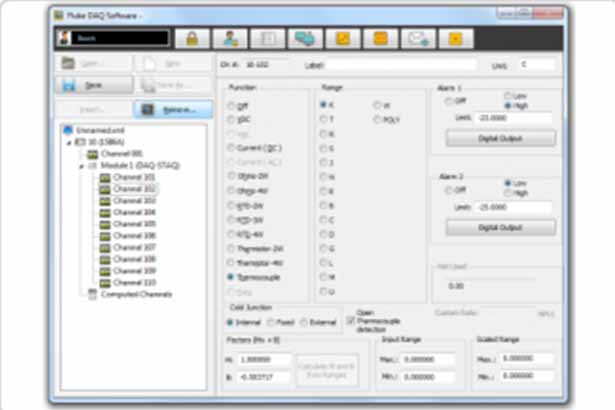
Simply connect your 2638A, 1586A, NetDAQ or 2680A Series to your computer and your current hard¬ware configuration will pre-populate in the configuration setup area, ready to edit if needed.


Simply connect your 2638A, 1586A, NetDAQ or 2680A Series to your computer and your current hard¬ware configuration will pre-populate in the configuration setup area, ready to edit if needed.
If you are seeing this on a (like an HP ProBook 650 G2), the driver is typically needed to make onboard serial COM ports functional, not necessarily a portable device like a phone . If you'd like more help, could you tell me: What laptop brand/model are you using?
This was my portable armory. Over the years, I had curated a collection of generic, unsigned, and hard-to-find drivers. I had built this drive in the trenches of Windows 7 migrations and early Windows 10 rollouts. It contained the PNP0500 generic infrastructure drivers—a set of files Microsoft used to include by default but now treated as optional bloat.
The "portable" aspect of this equation often arises when users attempt to use dongles, USB-to-Serial adapters, or external Bluetooth devices on laptops running Windows 10. Modern laptops, often sleek and devoid of legacy ports, rely heavily on USB and Bluetooth. When a user plugs in a USB-to-Serial adapter to configure a network switch or connect to an industrial programmable logic controller (PLC), Windows 10 recognizes the device's generic class but often fails to assign the correct driver automatically. The device sits in the Device Manager under "Other devices" with a yellow exclamation mark, labeled simply by its Hardware ID: pnp0500. This creates a barrier to portability; the user is tethered not by wires, but by a lack of software translation.
If you are seeing this on a (like an HP ProBook 650 G2), the driver is typically needed to make onboard serial COM ports functional, not necessarily a portable device like a phone . If you'd like more help, could you tell me: What laptop brand/model are you using?
This was my portable armory. Over the years, I had curated a collection of generic, unsigned, and hard-to-find drivers. I had built this drive in the trenches of Windows 7 migrations and early Windows 10 rollouts. It contained the PNP0500 generic infrastructure drivers—a set of files Microsoft used to include by default but now treated as optional bloat. pnp0500 windows 10 portable
The "portable" aspect of this equation often arises when users attempt to use dongles, USB-to-Serial adapters, or external Bluetooth devices on laptops running Windows 10. Modern laptops, often sleek and devoid of legacy ports, rely heavily on USB and Bluetooth. When a user plugs in a USB-to-Serial adapter to configure a network switch or connect to an industrial programmable logic controller (PLC), Windows 10 recognizes the device's generic class but often fails to assign the correct driver automatically. The device sits in the Device Manager under "Other devices" with a yellow exclamation mark, labeled simply by its Hardware ID: pnp0500. This creates a barrier to portability; the user is tethered not by wires, but by a lack of software translation. If you are seeing this on a (like